Cassandra Meets Collate: Data Governance for High-Scale Databases
Introduction
Apache Cassandra is the quiet powerhouse behind some of the internet's most demanding applications. Netflix streams video to millions; Apple processes transactions globally; major retailers run their entire ecommerce platforms on it. What makes Cassandra special is not what it does for your queries, but what it does for your scale. Linear scalability, multi-datacenter high availability, and true global distribution are built into its bones, not bolted on afterward. Yet despite its prevalence in critical systems, Cassandra often exists in a governance blind spot. Collate's Cassandra connector changes that by bringing your NoSQL databases into a unified data mesh, right alongside your data warehouses and lakehouses. A companion video to this blog can be found here.
Why Cassandra Matters, and Why It Needs Governance
The database excels at exactly what it was designed for: handling massive write throughput, surviving node failures, and seamlessly spanning continents. It does this by making deliberate trade-offs. Cassandra gives you the queries you design for; ad hoc exploration is not part of that design. This constraint is intentional. When you need analytics or flexible querying, the data typically flows downstream to Snowflake, BigQuery, or another analytics platform.
This architecture creates a challenge: your data lives in two worlds. Cassandra holds the operational truth; your warehouse holds the analytical view. Without proper governance, these systems drift apart. Column meanings diverge, field lineage disappears, and suddenly no one knows which system owns which definition. Collate bridges this gap by treating Cassandra tables as first-class data assets, creating a single semantic layer across your entire data landscape.
Setting Up the Integration
Whether you're running a local instance or using a cloud version of Cassandra, the connection process remains straightforward: select Cassandra, provide your connection details, and you're ready to begin cataloging.
Once connected, Collate's ingestion agents work exactly as they do with any other database connector. You can configure schema filters and database filters to control what gets cataloged. The agents run, the catalog completes, and you're looking at your Cassandra metadata in the Collate interface.
Collate's documentation site provides detailed prerequisites, including the exact SQL commands you need to run to grant proper permissions to your service account. This level of specificity helps avoid common permission-related issues during setup.
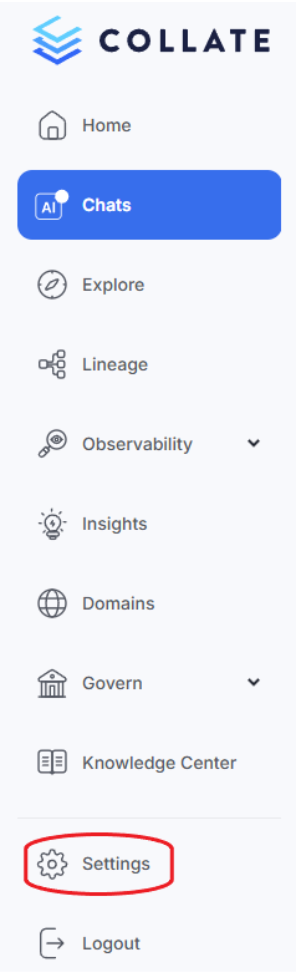
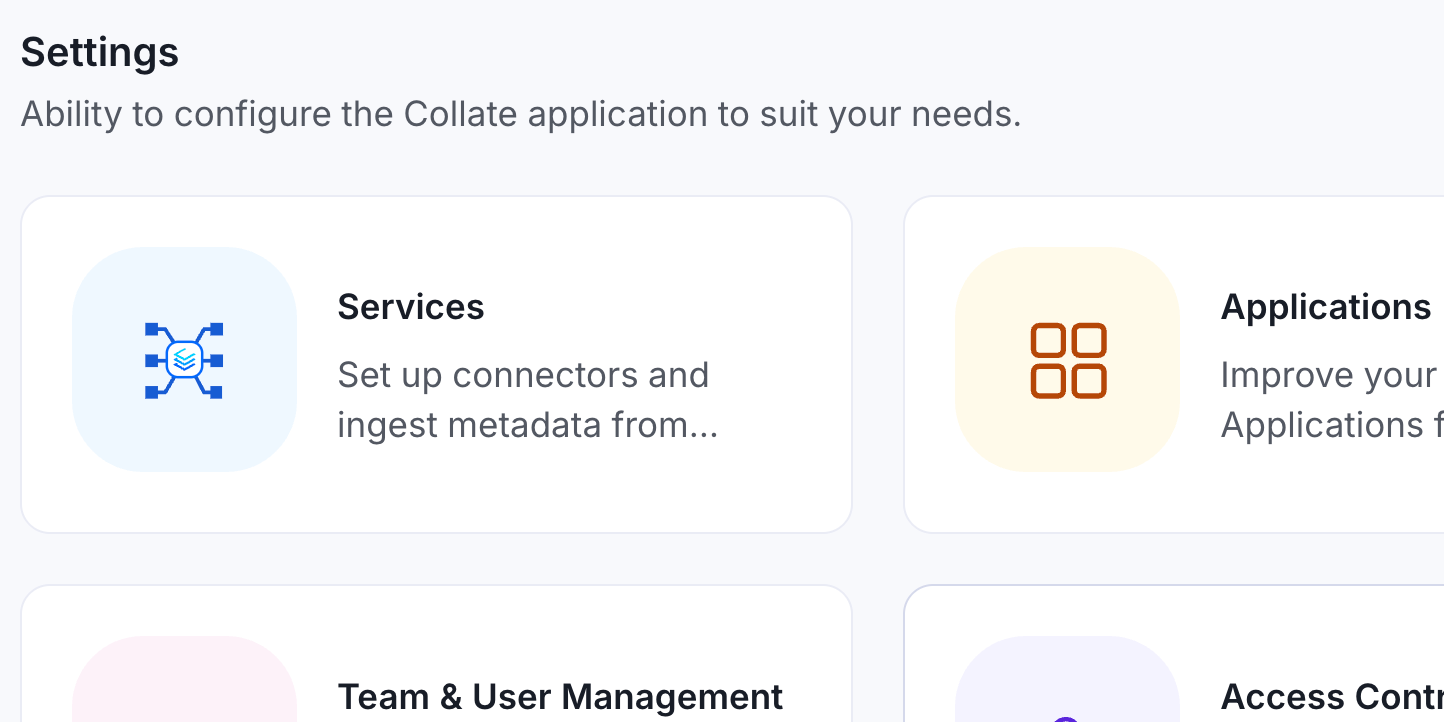
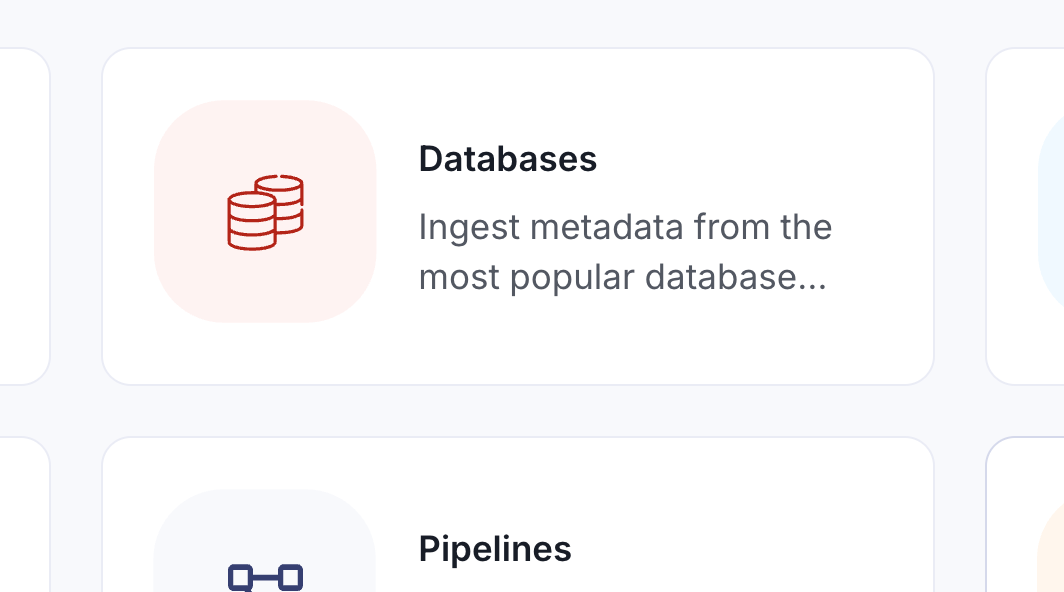
From Collate's landing page, navigate to Settings > Services > Databases, where Cassandra can be easily found among the extensive list of supported connectors. The process looks like this:
1. Navigate to Settings: Begin by accessing the services section in Collate's settings.
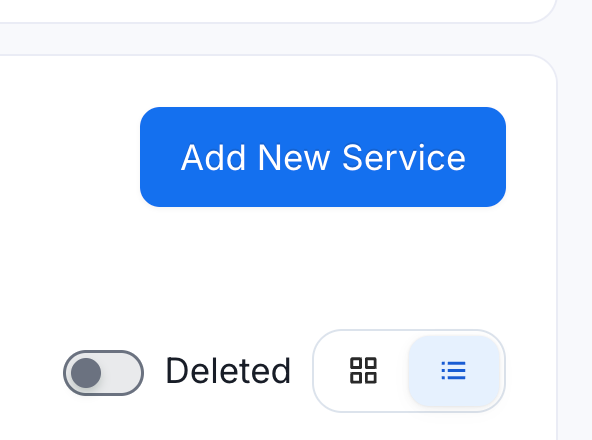
2. Add New Database Service: Select “Services”, then “Databases”, then "Add New Service" and search for Cassandra in the service list.
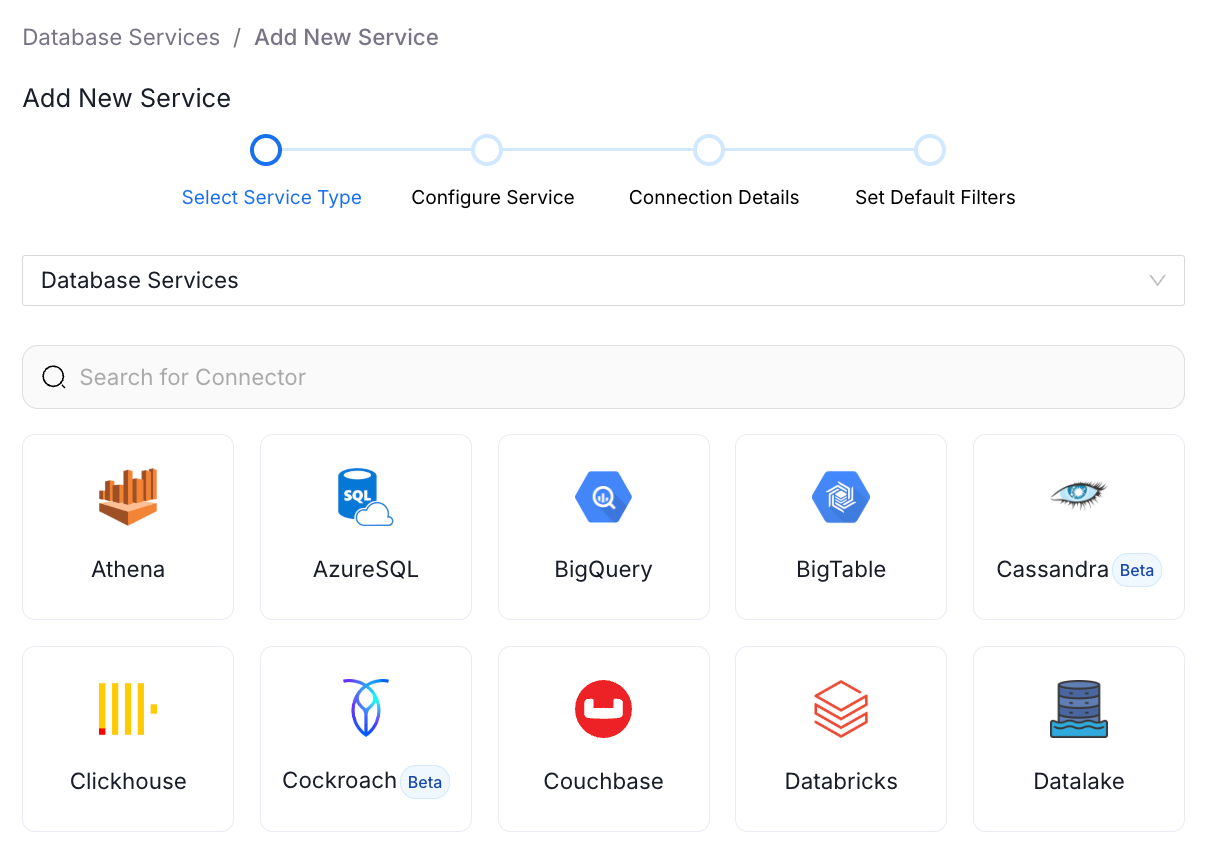
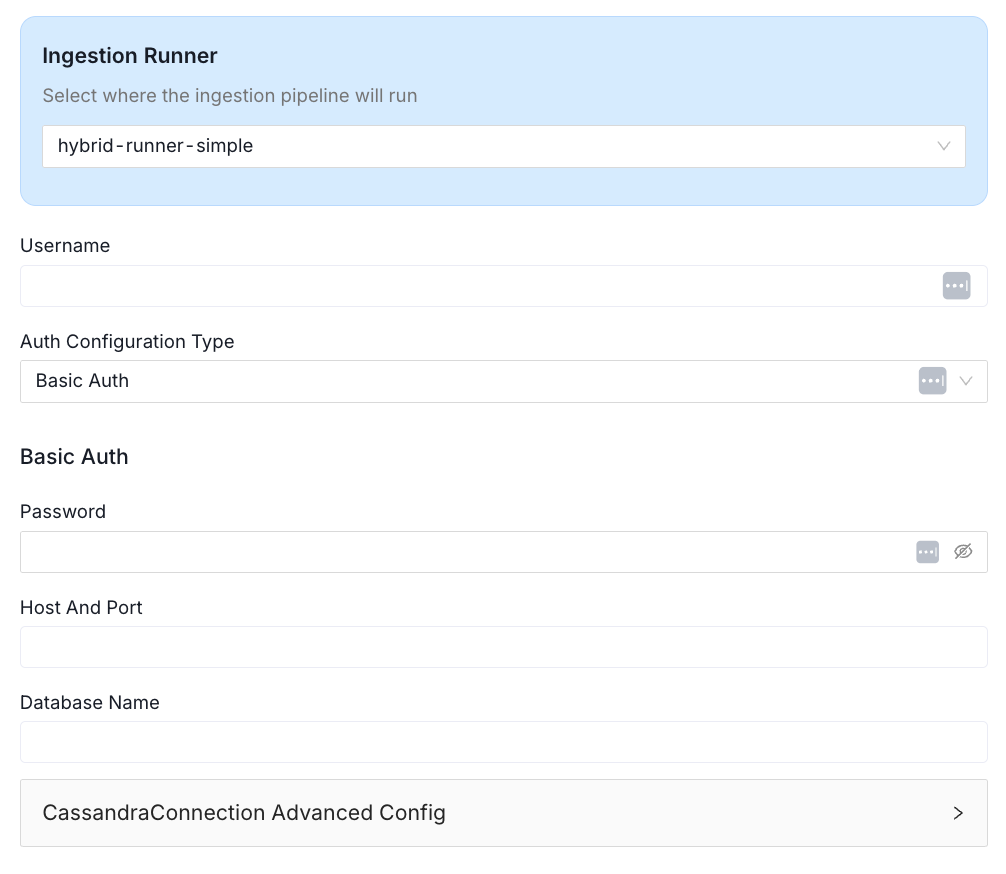
3. Configure the Connection: You'll need to provide:
- Username
- Auth Configuration Type
- Password
- Host and port information
- Database Name
Discovering What You Have
Once the connection is active, Ask Collate is a great way to peruse what you have. Rather than navigating menus to find your Cassandra assets, you simply ask: "What data assets do we have for Cassandra?" Ask Collate parses your natural language question, returns all matching databases, keyspaces, and tables, and lets you click through to the asset details. This interactive session is what sets Ask Collate apart; you're not just reading a static report. You can drill into any result, explore relationships, and have a conversation with the system about your data.
When you click into a Cassandra database, you see the same asset viewer you'd use for a Snowflake table or Redshift schema. The same columns, the same structure, the same governance controls.
Governance at Scale
Once Cassandra tables are visible in Collate, you can apply the full suite of governance tools. Tag tables for compliance; add them to glossary terms; link them to the downstream systems they feed. Because Cassandra doesn't support ad hoc queries, it often connects to other databases. Collate lets you document those flows, creating lineage that shows which Cassandra tables populate which warehouse tables.
You can also use Collate's AI features to auto-generate descriptions and metadata. Rather than manually filling in a glossary entry for each column, let Collate do the heavy lifting, then edit for accuracy and context. This shift from data entry to curation is important. Your skilled engineers stop doing rote work and start doing thought leadership; they become editors and stewards rather than clerks.
The Unified Mesh
Consider: Cassandra is just another data asset. Yes, it has unique characteristics. Yes, it requires specialized queries. But from a governance perspective, it behaves like everything else. One semantic layer, one glossary, one set of tags and ownership rules. Your stakeholders don't need to know whether a table lives in Cassandra or Snowflake. They just know it exists, what it contains, and who owns it.
This matters because modern data architectures are inherently polyglot. You have data in Kafka topics, data warehouses, lakehouses, operational databases, and purpose-built systems like Cassandra. Governance across all of them at scale requires a system that doesn't care about the source. Collate does that.
Conclusion
Cassandra powers some of the internet's most critical systems because it solves the problems it sets out to solve. High availability and linear scale are not hypothetical; they're business requirements. Adding Cassandra support to Collate acknowledges that these systems are not edge cases. They're central to the data architecture of major enterprises, and they deserve the same governance rigor as your warehouses.
To explore further, consider the Collate Free Tier for managed OpenMetadata or the Product Sandbox with demo data.
Fashion Retailer Mango’s Data Journey with Collate
Read the case study

Sign up to receive updates for Collate services, events, and products.
Share this article


Ready for trusted intelligence?
See how Collate helps teams work smarter with trusted data